
Coastal fog and salt air age siding faster than inland weather does. Here's how to tell when repair isn't enough anymore.
5 Signs Your Pacifica Home Needs New Siding
Last updated: October 2026
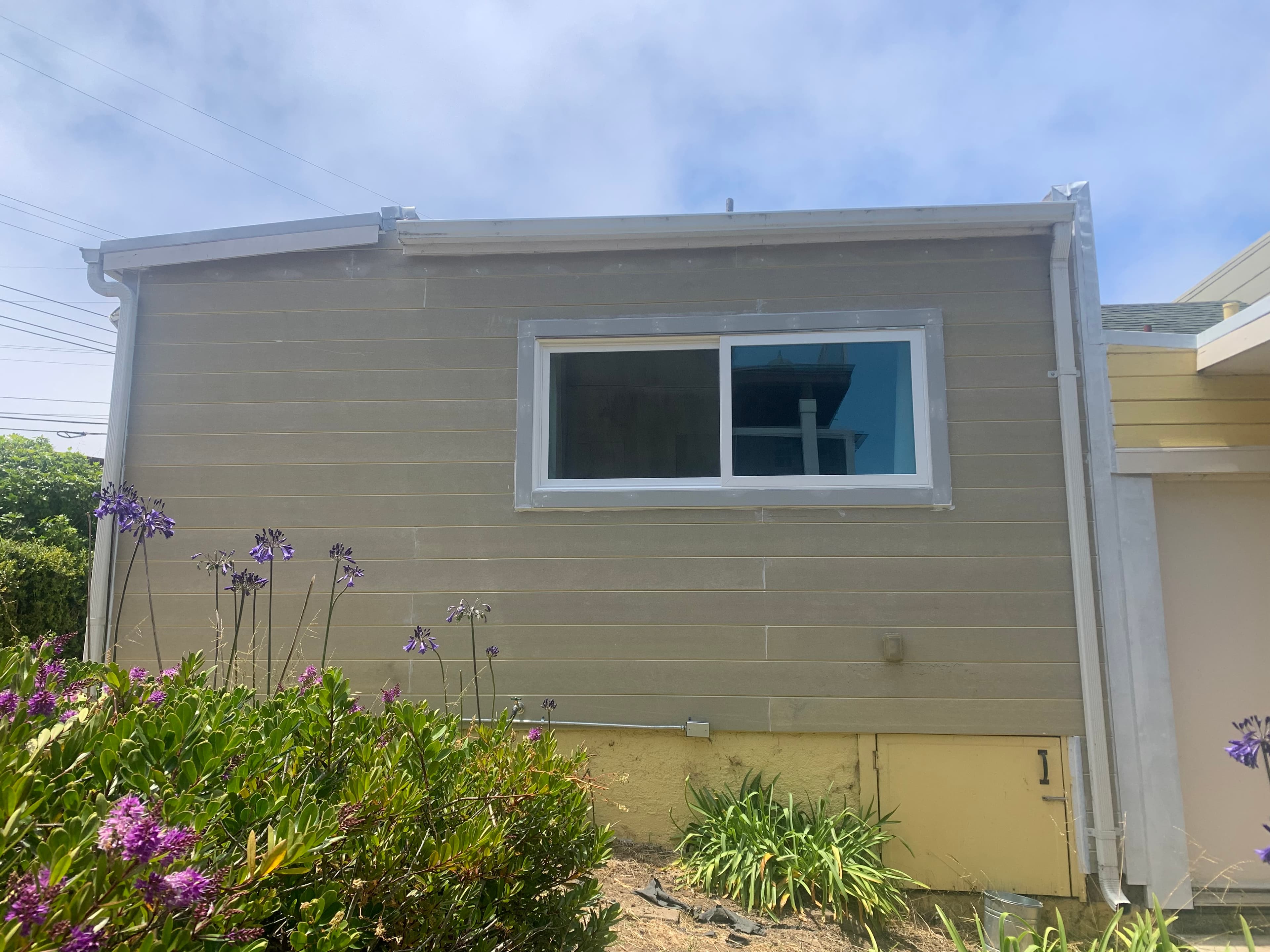
How do I know if I need to replace my siding instead of repairing it?
You likely need new siding — not a repair — if you see warped or buckling boards, paint that won't stop bubbling or peeling, soft spots when you press on the surface, mold or mildew that keeps coming back, or a noticeable jump in heating and cooling bills. Any one of these on its own might be a localized fix. Two or more showing up across the same wall usually means moisture has gotten behind the siding and the material underneath is compromised, not just the surface. In coastal towns like Pacifica, salt air and fog speed this up compared to inland Bay Area homes, so siding here often shows these signs sooner than the material's rated lifespan would suggest.
How long does siding usually last in a coastal climate like Pacifica?
It depends heavily on the material and how exposed the wall is to wind-driven fog and salt air, which is why two homes a few blocks apart can age very differently. Vinyl and fiber cement generally hold up longer against coastal moisture than untreated wood. The honest answer is that lifespan on paper matters less here than how well the original installation sealed the home against moisture — a correctly flashed, well-ventilated install outlasts a cheaper material that was installed without attention to coastal detailing.
City Dweller's crews work siding, window, and door replacements across the San Francisco Bay Area every week, and the patterns below are the same five we walk property owners through on nearly every siding inspection in Pacifica.
Why Pacifica homes see siding damage earlier than inland Bay Area homes
Pacifica sits right on the coast, which means siding here deals with near-constant fog, salt-laden air, and wind-driven moisture that inland neighborhoods in San Bruno or Hillsborough simply don't get. That moisture doesn't need a storm to do damage — it works slowly, finding the smallest gap in caulking or flashing and sitting there.
That's why the signs below tend to show up on coastal-facing walls first, especially the side of the house that takes the brunt of the marine wind.
1. Warped, buckling, or loose boards
Siding is designed to lie flat and tight against the house. When boards start to warp, bow outward, or buckle, moisture has usually already worked its way behind the material and into the sheathing. This is rarely a one-board problem — if you see it in one spot, check the full wall, because the same conditions that warped one board are affecting its neighbors.
2. Paint that won't stop bubbling or peeling
A fresh coat of paint that bubbles or peels again within a year or two isn't a paint-quality problem — it's a sign that moisture is trapped underneath, pushing the paint off from below as it tries to escape. Repainting over this without addressing the underlying siding just delays the real fix.
3. Soft spots or a hollow sound when you press on the wall
Press firmly on the siding, especially near the bottom of the wall and around windows and doors. If it gives slightly, sounds hollow, or feels soft compared to the rest of the wall, water has likely gotten into the material and started breaking it down from the inside. This is especially common around poorly flashed window and door openings — which is also why siding and window replacement are often done together.
4. Mold, mildew, or a musty smell that keeps returning
Surface mold that wipes off and comes right back — or a musty smell near an exterior wall inside the house — usually means moisture is cycling behind the siding faster than it can dry out. Coastal fog keeps humidity high even when it isn't actively raining, which is why this shows up more in Pacifica than in drier inland parts of the Bay Area.
5. Rising heating and cooling bills with no other explanation
Siding is part of your home's building envelope. Gaps, warping, or moisture-damaged sheathing behind the siding let conditioned air escape and let outside temperature swings in. If your energy bills have crept up and nothing else about the house has changed, damaged siding is worth ruling out.
What to do if you're seeing two or more of these signs
A single sign in one spot might be a targeted repair. Multiple signs — especially across the same wall — usually point to a bigger moisture problem underneath, and that's where a full inspection matters more than guessing from the outside.
- Have the affected wall inspected before painting over or patching the surface
- Ask whether the damage is isolated or has spread into the sheathing underneath
- Get options for material (vinyl, fiber cement, or wood) matched to coastal exposure, not just upfront cost
- Have window and door seals checked at the same time — they're the most common entry point for the moisture that damages siding
See City Dweller’s exterior siding services and general contractor services services in Pacifica and across the Bay Area, or check the full list of areas served.
Common Questions
FAQs
- Can I just repair a damaged section of siding instead of replacing the whole wall?
- Sometimes — if the damage is caught early and limited to one or two boards with no sign of moisture spreading. Once warping, soft spots, or recurring mold show up in multiple places on the same wall, patch repairs tend to fail again within a season because the underlying moisture problem is still there.
- Is vinyl, fiber cement, or wood siding the best choice for a coastal Bay Area home?
- Each has tradeoffs. Fiber cement and vinyl generally resist coastal moisture and require less upkeep than untreated wood, while wood offers a traditional look some homeowners prefer and typically costs less upfront. The right choice depends on how exposed your walls are to wind-driven fog and what you're willing to maintain over time — this is best worked through during an on-site consultation rather than decided from a general guide.
- Does new siding actually lower energy bills?
- It can, when the old siding and the sheathing behind it were compromised enough to let air leak through the wall. New siding installed with proper sealing and, if needed, added insulation closes those gaps. It won't fix an unrelated HVAC or window problem, which is why a full inspection matters more than assuming siding alone is the cause.
- How much does siding replacement cost?
- Cost depends on your home's size, the material you choose, and how much of the underlying sheathing needs repair once the old siding comes off — that last factor is impossible to know without an on-site look. Get a free, no-obligation quote and you'll walk away with real numbers for your specific home instead of a generic range.
Keep Reading
Related posts
Have a project in mind? David replies to every inquiry personally.